
In This Article
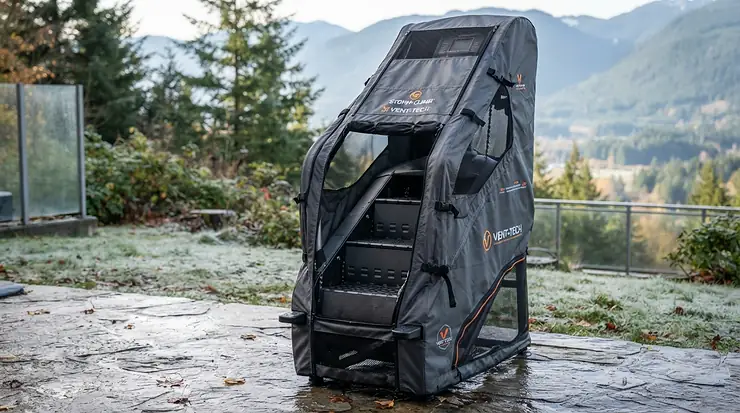
Every October, the same quiet ritual plays out in garages across the country. The treadmill gets nudged into a corner, the bike gets wheeled against the wall, and somebody says, “We’ll deal with it in spring.” Then winter arrives and does what winter does. A cheap cover for exercise equipment during winter storage looks like a small purchase. Compared with replacing a rusted rower or a motor board that took a damp hit, it’s the cheapest insurance in your home gym.
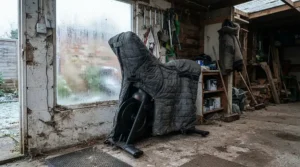
Here’s the catch: not every cover helps. Some shed dust beautifully and then trap moisture against cold steel like a plastic bag on a wet sandwich. Others are so thin that a falling box of holiday lights would rip them. And almost none of them can fix the real villain, which is garage temperature swings that turn invisible humidity into droplets on your frame, your cables and your console.
This guide is built for the person doing winterizing home gym equipment before the first hard freeze. I researched seven real covers, read what manufacturers and reviewers say about them, and combined it with building-science basics so you know what a cold weather equipment cover can and can’t do. Specs get translated into plain English, and every comparison ends with a verdict. At the time of research I found these listings across major retailers, so confirm current availability and sizing on Amazon before you order.
Quick Comparison: Best Cover for Exercise Equipment During Winter Storage
Here’s the fast version for anyone who wants the short list before the deep dive. Prices are approximate ranges from the time of research and may vary.
| Cover | Fits | Build (per listing) | Price Range | Best For |
|---|---|---|---|---|
| OPTUTUS Heavy-Duty Waterproof Treadmill Cover | Standard treadmills (two sizes) | Oxford fabric, waterproof coating, UV-resistant | Around $20–$35 | OPTUTUS suits garage-stored full-size treadmills |
| FOXCUP Under Desk Treadmill Cover | Walking pads, under-desk treadmills | 420D, elastic fit | Around $15–$30 | FOXCUP suits indoor walking pads |
| Concept2 RowErg/Indoor Rower Cover (Part 1520) | RowErg, Models A–D | 14 oz polyester/vinyl laminate | Around $55–$65 | Concept2 RowErg Cover suits rower owners wanting a guaranteed fit |
| CyclingDeal Waterproof Bike Cover | Peloton Bike/Bike+, NordicTrack S22i | 600D Oxford top, 190T polyester sides, 4 straps | Around $25–$45 | CyclingDeal suits connected-bike owners who move their bike |
| Coversandall Custom Stationary Exercise Bike Cover | Made to measure | Three fabric tiers | Premium tier; check current price | Coversandall suits oddly shaped bikes |
| DEERGAZE Elliptical Bike Cover | Ellipticals (170×170×70 cm) | 210D Oxford, PU coating | Around $20–$35 | DEERGAZE suits roomy, universal elliptical coverage |
| Iptienda Waterproof Folding Treadmill Cover | Folded treadmills (117×97×168 cm) | Waterproof (fabric weight unverified) | Around $20–$35 | Iptienda suits tall, folded treadmills |
The pattern worth noticing is that the cheapest covers are not the worst, but they are the thinnest, and thin fabric matters more in a garage than in a spare bedroom. If your machine lives in an unheated garage, the OPTUTUS and CyclingDeal designs carry the heavier-duty specs on paper. The Concept2 RowErg Cover costs the most per square foot but is the only one here designed around one specific machine’s geometry. Treat the FOXCUP as a dust jacket for indoor use, not a winter shell.
💬 Just one click — help others make better buying decisions too!😊
What Is a Cover for Exercise Equipment During Winter Storage?
A cover for exercise equipment during winter storage is a fitted or oversized fabric shield that keeps dust, drips, pests and moisture off a treadmill, bike, rower or elliptical while it sits idle through the cold months. The best ones block debris yet let trapped air escape, so condensation can’t pool underneath.
That second half of the definition is where most buyers go wrong. Cold-weather damage rarely arrives as rain. It arrives as water vapor that changes state. As the dew point explanation puts it, air holding moisture will release liquid water once it touches a surface cooler than that dew point, and below freezing it forms frost instead. Your frame, flywheel and weight stack are big thermal masses. They cool slowly at night and warm slowly by day, which means they’re often the coldest surface in the garage right when humid air drifts past.
What a Winter Cover Actually Does
- It blocks airborne dust that can foul electronics and bearings.
- It shields from drips, salt-laden slush from the car and stray splashes.
- It slows the rate at which room air reaches cold metal.
- It keeps pests and pet hair off pads, seats and consoles.
What It Can’t Do
It cannot dehumidify your garage. It cannot insulate a machine from a hard freeze. It won’t excuse a wet machine going under it. We’ll come back to every one of those limits.
Top 7 Covers for Exercise Equipment During Winter Storage: Expert Analysis
Quick method note: specs below come from manufacturer and retailer listings, and the review commentary reflects aggregated public feedback. Where public reviews are thin, I say so rather than dress it up. Nothing here comes from hands-on testing.
1. OPTUTUS Heavy-Duty Waterproof Treadmill Cover — best garage-ready shield for standard treadmills
The OPTUTUS pitch is simple: heavy Oxford fabric with a waterproof coating and UV resistance, sold in two sizes (79″×37″×59″ and 37″×43″×63″). That second, squarer size is aimed at folded decks.
The measurements matter more than the marketing. A cover that stops a few inches above the floor leaves the lower frame exposed, and the lower frame is where concrete moisture does its work. Measure your folded treadmill’s longest, widest and tallest points first. Based on the spec comparison, this is one of the better choices here for a cold weather equipment cover on a full-size treadmill, because the fabric is built for abrasion and weather rather than just lint.
Review data is a small sample: roughly a dozen ratings on one major retailer’s listing, averaging in the low-4-star range, with some marked as incentivized. One reviewer reports it fully covering a Sole F63 and keeping dust and pet hair off, though that was for indoor use. Treat that as encouraging, not conclusive.
Pros:
- ✅ Heavy Oxford fabric with waterproof coating
- ✅ Two sizes cover full and folded decks
- ✅ Wipes clean in minutes
Cons:
- ❌ Small review pool, some incentivized
- ❌ Coated fabric needs a loose, vented fit
Price range: around $20–$35. Value verdict: strong value for garage treadmills if you measure first.
2. FOXCUP Under Desk Treadmill Cover — slimmest option for walking pads
Not every machine lives in a garage. The FOXCUP targets walking pads and under-desk treadmills, using 420D fabric with an elastic edge. One listing for this style gives a footprint of about 140×71×15 cm.
The maker is refreshingly direct that it’s not designed for long-term outdoor storage, and it recommends covering only when the machine is off and cool, plus wiping it clean first. I’d go further. That advice is exactly what separates a good winter routine from a damp one. A warm, slightly sweaty deck sealed under elastic fabric is a small greenhouse.
Who should buy it? The apartment dweller shoving a walking pad under a bed for the off-season, or anyone in a heated basement. Who shouldn’t? Anyone in an unheated garage expecting it to behave like a shell. The spec sheet won’t tell you this, but a 15 cm profile also means you must fold or store the pad flat, so check clearance.
Aggregated feedback is hard to verify for this exact listing, so I won’t characterize it beyond the maker’s own use guidance.
Pros:
- ✅ Slim elastic fit hugs walking pads
- ✅ 420D fabric resists snags and scuffs
- ✅ Maker gives honest use limits
Cons:
- ❌ Not meant for outdoor or garage storage
- ❌ Limited public review data
Price range: around $15–$30. Value verdict: a smart pick for indoor off-season gym storage, the wrong pick for a garage.
3. Concept2 RowErg/Indoor Rower Cover (Part 1520) — premium fit for rowers
The Concept2 RowErg Cover is the aristocrat of this list, and for a reason you can read in the spec. It’s a 14 oz polyester/vinyl laminate with Velcro tabs on the bottom edge, rot-resistant and wipeable. It fits the RowErg with standard or tall legs, plus Models A, B, C and D. It does not fit the Model E or Dynamic, which need cover 1554.
Concept2 says plainly that these covers are water-resistant and protect from dust and dirt, but aren’t designed to deliver full weather or heat protection for machines stored outside. That honesty is useful. It tells you this is a winter coat for an indoor or sheltered garage space, not a tarp.
The laminate is heavier than the thin polyester on budget covers, which means better resistance to snagging on a rower’s rails. It also means it won’t breathe much, so your drying routine matters. Rower owners who store the machine upright should check how the cover handles a vertical stance.
Public review sentiment for a cover this specific is limited, but the brand’s reputation for fit consistency is the main draw.
Pros:
- ✅ Engineered to match specific rower models
- ✅ Heavy 14 oz laminate, rot-resistant
- ✅ Velcro tabs keep the hem secured
Cons:
- ❌ Costs more than generic fabric covers
- ❌ Wrong cover number won’t fit
Price range: around $55–$65. Value verdict: worth it if you want zero fit guesswork, fair but not cheap otherwise.
4. CyclingDeal Waterproof Bike Cover for Peloton — strap-down security for connected bikes
The CyclingDeal is tailored to the Peloton Bike and Bike+ and the NordicTrack S22i, and the listing says it also works on other exercise bikes. The build uses 600D Oxford on top and 190T polyester on the sides, with four tie-down straps.
Those straps are the clever bit. Most covers fail not from weather but from sliding, because a billowing cover collects dust on the inside and lets cold air cycle underneath. Four anchor points keep the fabric where it’s put and let you wheel the bike around with the cover on. The fabric combination is a sensible trade: heavy duty on the exposed top surface, lighter material where drag and abrasion are lower.
The connected-bike angle deserves its own note. Screens and consoles are the parts you least want to see condensation on. The listing’s tailored fit means less loose fabric flapping, but you still want a gap at the hem to let air move.
Retail review data for this exact listing wasn’t available to me, so judge it on the specs and the strap design rather than on crowd sentiment.
Pros:
- ✅ Tailored fit for popular connected bikes
- ✅ Four tie-down straps resist sliding
- ✅ Heavier 600D top fabric
Cons:
- ❌ Best on named models only
- ❌ Waterproof shell needs venting
Price range: around $25–$45. Value verdict: good value for bike owners who store in a drafty space.
5. Coversandall Custom Stationary Exercise Bike Cover — made-to-measure for odd shapes
If your bike has an odd silhouette, such as a recumbent or a heavily accessorized spin bike, off-the-shelf sizing becomes a gamble. Coversandall offers custom stationary exercise bike covers in three fabric tiers called Cover Max, Cover Fab and Cover Tuff. The company describes them as waterproof and UV-resistant, with handles to ease removal and cleaning.
Made-to-measure is the headline benefit, and it pairs well with winterizing home gym equipment, because a tight fit reduces the trapped-air pocket that feeds condensation. But custom has its own risk. One reviewer on the maker’s page described measuring three times and still receiving a cover that didn’t fully cover the bike. Measure to the extremes, then add allowance for the seat and handlebar at their winter-storage positions.
Marketing copy calls the fabric fully waterproof. Remember what that implies: a very low-permeability cover on a very cold machine needs a dry machine under it. I’d rank this as the right call for owners who value fit above all else and are willing to take care with measurements.
Pros:
- ✅ Made to your exact bike measurements
- ✅ Three fabric tiers to match budget
- ✅ Handles make removal easier
Cons:
- ❌ Mismeasuring risk, per one reviewer
- ❌ Higher cost than generic covers
Price range: premium tier, check current price. Value verdict: a good fit-first choice, if you can measure precisely.
6. DEERGAZE Elliptical Bike Cover — roomy universal fit for ellipticals
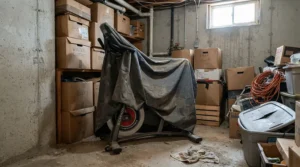
Ellipticals are the awkward giants of the home gym, and the DEERGAZE deals with that by going big and loose: a stated universal size of 170×170×70 cm in 210D Oxford polyester with a PU coating and adjustable drawstring.
Here’s the interpretive bit. A buyer’s guide on treadmill covers suggests 210D is generally enough for light indoor protection, while garage or semi-outdoor storage calls for at least 420D or 600D. So on paper this is the lightest fabric on our list. That doesn’t make it bad. It means it’s best for a sheltered space, like a basement corner or a garage that sees limited weather. In an exposed unheated garage, a heavier weave resists tearing longer.
The roomy cut is a quiet advantage for moisture, since loose fabric keeps the cover off cold metal and allows airflow around the frame. The drawstring lets you snug it down without sealing it airtight.
Public reviews I found for the exact listing were sparse, so the spec sheet is doing the heavy lifting here.
Pros:
- ✅ Generous 170×170×70 cm universal size
- ✅ PU coating sheds drips and splashes
- ✅ Adjustable drawstring tightens the fit
Cons:
- ❌ Lighter 210D fabric, less abrasion-proof
- ❌ Sparse public review data
Price range: around $20–$35. Value verdict: fair value for sheltered elliptical storage, less ideal for harsh garages.
7. Iptienda Waterproof Folding Treadmill Cover — tall profile for folded decks
The Iptienda is listed in a 117×97×168 cm black version meant for folding treadmills, and 168 cm of height is the number to focus on. Folded treadmills stand tall, and a cover that’s too short leaves the console exposed, which is the most expensive-to-fix part.
I couldn’t verify the fabric weight or construction from the listing, and that’s worth stating plainly. Before buying, check the denier or material spec in the product details. If it’s under 420D and your garage runs very cold, lean toward a heavier choice such as the OPTUTUS. If it’s going into a closet or spare room, it may be perfectly adequate.
For a long term storage cover for treadmill duty, this size suits folded decks that hug a wall. Because the dimensions are generous, you can leave a ventilation gap at the bottom without exposing the console.
Reviewer sentiment for this exact model wasn’t verifiable, so I’ll skip characterizing it.
Pros:
- ✅ 168 cm height suits folded treadmills
- ✅ Roomy footprint leaves airflow space
- ✅ Waterproof claim for drips and splashes
Cons:
- ❌ Fabric weight not confirmed
- ❌ Little verifiable review data
Price range: around $20–$35. Value verdict: decent for sheltered storage once you confirm the material.
Features That Actually Matter (And Those That Don’t)
Cover listings are written to dazzle with adjectives. Only a handful of specs change outcomes in winter, so let’s filter the hype.
| Cover | Fabric Weight | Venting/Fit Clue | Garage Suitability | Best For |
|---|---|---|---|---|
| OPTUTUS | Oxford (denier not stated in listing) | Two sizes | Strong | Full-size treadmills |
| FOXCUP | 420D | Elastic edge | Indoor only | Walking pads |
| Concept2 RowErg Cover | 14 oz laminate | Velcro hem tabs | Sheltered only | Rowers |
| CyclingDeal | 600D top / 190T sides | Four straps | Good | Connected bikes |
| Coversandall | Three tiers | Custom fit | Depends on tier | Odd shapes |
| DEERGAZE | 210D | Drawstring | Sheltered | Ellipticals |
| Iptienda | Unverified | Tall cut | Check fabric first | Folded treadmills |
The takeaway is that fabric weight and fit beat color, logo and “military grade” language every time. The CyclingDeal leads on garage-readiness thanks to heavier top fabric and strap anchoring, while the Concept2 RowErg Cover wins on precision. Notice how the DEERGAZE and Iptienda both hinge on specs you should verify before you buy.
Features That Matter
- Measured fit, with height tall enough to clear folded consoles.
- Fabric weight appropriate to your storage space.
- Hem you can leave slightly loose or vented.
- Securing straps or drawcords.
Features That Don’t
- Fancy colors, since no one inspects a cover in January.
- A “100% waterproof” badge on its own, because waterproof without breathability can hold moisture in.
- Carry bags, which are nice but irrelevant to protection.
Why Garage Temperature Swings Cause Condensation on Equipment
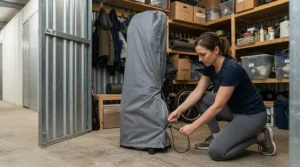
Garage temperature swings are the reason the same machine can look fine in November and freckled with rust by February. The mechanism is simple physics. Cold steel plus humid air equals water. A gym-maintenance guide from Rep Fitness notes that garages and basements are especially vulnerable because poor insulation and temperature swings create condensation. It also suggests running fans to even out temperatures so moisture doesn’t form on cold steel.
The EPA’s mold-prevention guidance is aimed at buildings, but the principle transfers cleanly. It says to prevent moisture from condensation by raising surface temperature or lowering humidity, with insulation or air circulation as the surface-temperature levers. It also recommends keeping indoor relative humidity below 60 percent, ideally 30 to 50 percent. Moisture control, not fancy products, is the heart of the matter.
The Daily Cycle That Does the Damage
- Cold night: metal frames drop to the coldest temperature in the room.
- Morning: the garage warms slightly, or a car brings in damp air and wet slush.
- Warm, humid air meets cold metal, and droplets form on the frame.
- By evening the cycle reverses, and the droplets either dry or sit under a cover.
That last step is why a cover on a damp machine makes things worse. Condensation on equipment is harmless if it can evaporate. It becomes rust when a sealed shell stops it from leaving. A small hygrometer, a few dollars at most, tells you whether your garage sits near the danger zone.
Winterizing Home Gym Equipment: A Step-by-Step Practical Guide
Winterizing home gym equipment is mostly about what you do before the cover goes on. Think of the cover as the last button on the coat, not the whole outfit.
Step 1: Clean and Dry Completely
Wipe down every surface, paying attention to sweat-prone zones such as handlebars and seats. Public Storage’s treadmill guide advises letting the machine dry fully before folding, covering or storing it, and I’d treat that as non-negotiable.
Step 2: Lubricate Per the Manual
Many machines benefit from lubrication before storage, and a storage-tips guide from SROA notes that it helps prevent rust and deterioration. For treadmills, belt lubrication varies by model, so follow your manufacturer’s instructions.
Step 3: Fold, Lower or Disassemble
Fold treadmills, lower weight stacks and remove accessories that can be stored indoors, such as tablets and batteries.
Step 4: Lift It Off the Concrete
Concrete wicks and releases moisture. A few inches of airspace, or a mat under the feet, keeps your frame away from the coldest, dampest surface in the garage.
Step 5: Cover Loosely
Drape the cover, secure it, then leave the bottom edge slightly open so air can move. Check on it monthly.
✨ Don’t Miss These Exclusive Deals!
🔍 Take your off-season gym storage to the next level with these carefully selected covers. Click on any highlighted item to check current pricing and availability. Your treadmill, bike or rower will thank you in April!
How to Choose a Cold Weather Equipment Cover
A cold weather equipment cover should match your machine, your storage space and your moisture reality. Here are the steps in order.
- Measure your machine in storage position. Folded treadmills, lowered seats and tucked handlebars change every dimension. Add a few inches of allowance on each axis.
- Match fabric weight to your space. Lighter fabrics suit indoor rooms, while heavier weaves belong in garages and sheds.
- Decide on waterproof versus water-resistant. A cover that sheds drips is plenty for most garages. Fully sealed coatings need more careful venting.
- Look for strap, drawcord or tab systems. A cover that stays put reduces both dust intrusion and airflow chaos.
- Check fit compatibility. If a maker lists exact models, as Concept2 RowErg Cover and CyclingDeal do, confirm your model on the list.
- Confirm the warranty stance. Some brands void coverage for garage conditions or moisture damage, so read yours before relying on a cover to save you.
- Plan how you’ll keep the machine dry underneath. The best cover can’t fix a damp frame.
The shortcut is this: heavy cover plus dry machine plus a little airflow beats a fancy cover on a wet frame every time.
Long Term Storage Cover for Treadmill: What Actually Matters
A long term storage cover for treadmill duty is a different animal from a dust cover. Treadmills pack motors, circuit boards and rubberized belts that can degrade when conditions turn extreme. A buyer’s guide from the retailer side notes that outdoor storage voids many warranties because heat can degrade belt adhesive and moisture can corrode internal boards.
A guide from Garage Gym Reviews adds that some brands may not honor warranties for garage-stored machines, so verify your policy before the first frost. Treadmill Guru goes further, pointing out that manufacturers strongly discourage storing treadmills in unheated garages. NordicTrack’s own advice leans toward climate-controlled, clean storage such as a basement or closet.
So if you can, move the treadmill indoors. If you can’t, choose the OPTUTUS for a full-size deck or the Iptienda for tall folded units, after confirming fabric weight. Keep the machine powered down and unplugged, fold it, and leave the cover slightly loose. For a walking pad that fits under a bed, the FOXCUP is plenty.
A Quick Pre-Spring Check
When the thaw arrives, inspect the belt, deck and console before plugging in. Look for rust on the frame and condensation inside the console area, and let the machine acclimate to room temperature first.
Cover vs Alternatives: Tarps, Moving Blankets and Bare Storage
Plenty of people ask whether a purpose-made cover is worth buying when a bedsheet or tarp is lying around. Fair question. Here’s the honest comparison.
| Option | Strength | Weakness | Best For |
|---|---|---|---|
| Purpose-fitted cover (e.g., CyclingDeal) | Fit, straps, shaped for the machine | Costs more than free | Frequent movers, cold garages |
| Heavy-duty generic cover (e.g., OPTUTUS) | Weather-ready fabric, affordable | Sizing guesswork | Full-size treadmills |
| Breathable sheet or moving blanket | Lets air move, very cheap | Little drip protection | Heated indoor spaces |
| Plastic tarp | Waterproof, cheap | Traps moisture, flaps in wind | Short-term outdoor emergencies |
| Bare storage | Zero effort | Dust, drips, pests | Nothing in winter |
Public Storage recommends breathable materials such as a moving blanket, cotton sheet or breathable furniture cover for treadmill storage, which fits the moisture logic above. A breathable sheet is great in a conditioned space. In an unconditioned garage, though, drips and dust are real, which is where a heavier cover earns its keep.
The sweet spot is a sturdy cover used loosely, with a breathable layer underneath if you’re worried about condensation.
Common Mistakes When Buying a Cold Weather Equipment Cover
Most winter-cover regrets fall into a few predictable buckets.
Mistake 1: Buying by Photo, Not by Tape Measure
Fit is the top complaint with covers of all kinds, including custom ones. Measure the machine in its storage position, then compare against the listed dimensions.
Mistake 2: Confusing Waterproof With Better
Waterproof sounds like a trophy. In cold storage, it can simply mean the water already under the cover has nowhere to go.
Mistake 3: Covering a Damp Machine
Sweat, slush and morning humidity all count. If you wouldn’t wrap a wet jacket in plastic, don’t do it to a flywheel.
Mistake 4: Ignoring the Floor
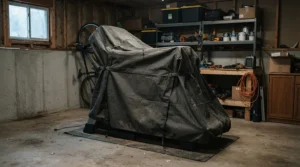
A cover protects from above. It does nothing for the cold, wet slab below. Lift the machine or use a mat.
Mistake 5: Assuming a Cover Fixes Warranty Risk
Brands vary. Some explicitly void coverage for garage or outdoor use, and a cover doesn’t change a policy.
Mistake 6: Skipping the Mid-Winter Check
Lift a corner monthly. If it smells musty or feels cold and wet, you’ve caught it early.
Off-Season Gym Storage Scenarios: Three Real-World Profiles
Specs are abstract. Here’s how the choices play out for three typical households.
Scenario 1: The Garage Treadmill Runner
You’ve got a folding treadmill in an unheated two-car garage, and winter drops below freezing. Your best fit is the OPTUTUS in the squarer size, with a mat under the feet. Dry the deck, fold it, and drape the cover loosely. Budget: about $20–$35 for the cover plus a few dollars for a hygrometer.
Scenario 2: The Apartment Walking-Pad Walker
Your walking pad slides under a bed from November to March. The FOXCUP works as a dust shield, and you don’t need garage-grade fabric. The real risk here is storing it sweaty, so wipe it down first. Budget: about $15–$30.
Scenario 3: The Mixed Cardio Corner
You’ve got a rower, an elliptical and a connected bike sharing a basement corner. A Concept2 RowErg Cover for the rower, a DEERGAZE for the elliptical and a CyclingDeal for the bike gives each machine a model-appropriate fit. Basements are usually calmer than garages, so the lighter fabrics are fine. Budget: roughly $100–$145 for the trio, depending on current prices.
Problem → Solution Guide: Condensation, Rust and Musty Smells
Winter storage throws up the same handful of problems. Here’s the fix for each.
Problem: droplets forming on the frame under the cover. Condensation on equipment means humid air is meeting cold metal. Solve it by drying the machine before covering, loosening the hem, and reducing humidity. Even air circulation from a small fan can help equalize temperatures.
Problem: light orange rust spots on bolts or cables. Address them early. Wipe, lightly lubricate per the manufacturer’s guidance, and recheck monthly. Global Fitness notes that you should address rust promptly so it doesn’t spread, and that keeping equipment off the ground helps.
Problem: musty smell when you lift the cover. That’s your cue that moisture got trapped. Remove the cover, dry everything and add airflow. The EPA’s advice to dry damp spots within 48 hours is a good yardstick.
Problem: the cover keeps sliding or flapping. Switch to a design with straps or tabs, like the CyclingDeal or the Concept2 RowErg Cover, or add bungees at the corners.
Problem: a fitted cover that’s too short. Don’t force it. Return it and size up. A tall console exposed to drips is the most expensive mistake on this list.
Long-Term Cost & Maintenance
The sticker price of a cover tells you very little about total cost of ownership. Here’s the more useful math.
| Item | Typical Outlay | What It Protects | Best For |
|---|---|---|---|
| Generic heavy-duty cover (OPTUTUS, DEERGAZE) | Around $20–$35 | Dust, drips, casual abrasion | Budget-minded garage storage |
| Model-specific cover (Concept2 RowErg Cover, CyclingDeal) | Around $25–$65 | Dust, fit, strap security | Owners who move machines |
| Custom cover (Coversandall) | Premium tier | Odd shapes, exact fit | Hard-to-fit machines |
| Hygrometer plus mat | Around $15–$40 combined | Moisture awareness, floor contact | Every garage |
Over a decade, a $30 cover that prevents even one damp-related repair has paid for itself many times. The pricier Concept2 RowErg Cover makes sense if you want a guaranteed fit and plan to keep the rower for years. Budget buyers should note that the cheapest covers sacrifice fabric weight, which shows up as tearing after a couple of seasons rather than in year one.
Maintenance is minimal: shake off dust, wipe the cover with a damp cloth, and let it dry before folding. Replace it when seams split or the coating cracks, since a compromised shell lets water in without letting it out.

FAQ
❓ Should my cover for exercise equipment during winter storage be waterproof or breathable?
❓ Can I leave a treadmill in an unheated garage all winter?
❓ How do I reduce condensation on equipment under a cover?
❓ Is a bedsheet good enough for off-season gym storage?
❓ How long will a long term storage cover for treadmill use last?
Conclusion
Winter storage isn’t glamorous, but it’s where home gym investments quietly succeed or fail. The right cover for exercise equipment during winter storage is a fitted, appropriately heavy shell that you drape over a clean, dry machine, ideally with a little airflow underneath. Add a mat, a hygrometer and a monthly peek under the fabric, and you’ve handled the bulk of the risk from garage temperature swings.
If you want a quick matching guide: pick the OPTUTUS for a full-size garage treadmill, the FOXCUP for an indoor walking pad, the Concept2 RowErg Cover for a Concept2 rower, the CyclingDeal for a connected bike, the Coversandall for custom shapes, the DEERGAZE for roomy elliptical storage, and the Iptienda for tall folded treadmills once you’ve verified the fabric. And remember that the single best upgrade isn’t a product at all. It’s moving the machine indoors if you can.
Winter is long. Your equipment doesn’t have to suffer through it.
✨ Ready to Protect Your Home Gym This Winter?
🛡️ Pick the cover that matches your machine and your storage space, then click any highlighted product above to check current pricing and availability. A little prep now means a smooth, rust-free start to your spring workouts!
Recommended for You
- Fitted Cover For Exercise Bike Storage: 7 Best Buys In 2026
- Universal Elliptical Cover For Small Apartment Gym: 7 Best (2026)
- UV Protection Cover For Treadmill Stored Outdoors: 7 Best Picks 2026
Disclaimer: This article contains affiliate links. As an Amazon Associate, I earn from qualifying purchases. If you purchase products through these links, we may earn a small commission at no additional cost to you.
✨ Found this helpful? Share it with your friends! 💬🤗
